Begin Your SEL Teaching Adventure
free for teachers!
Social-Emotional Learning
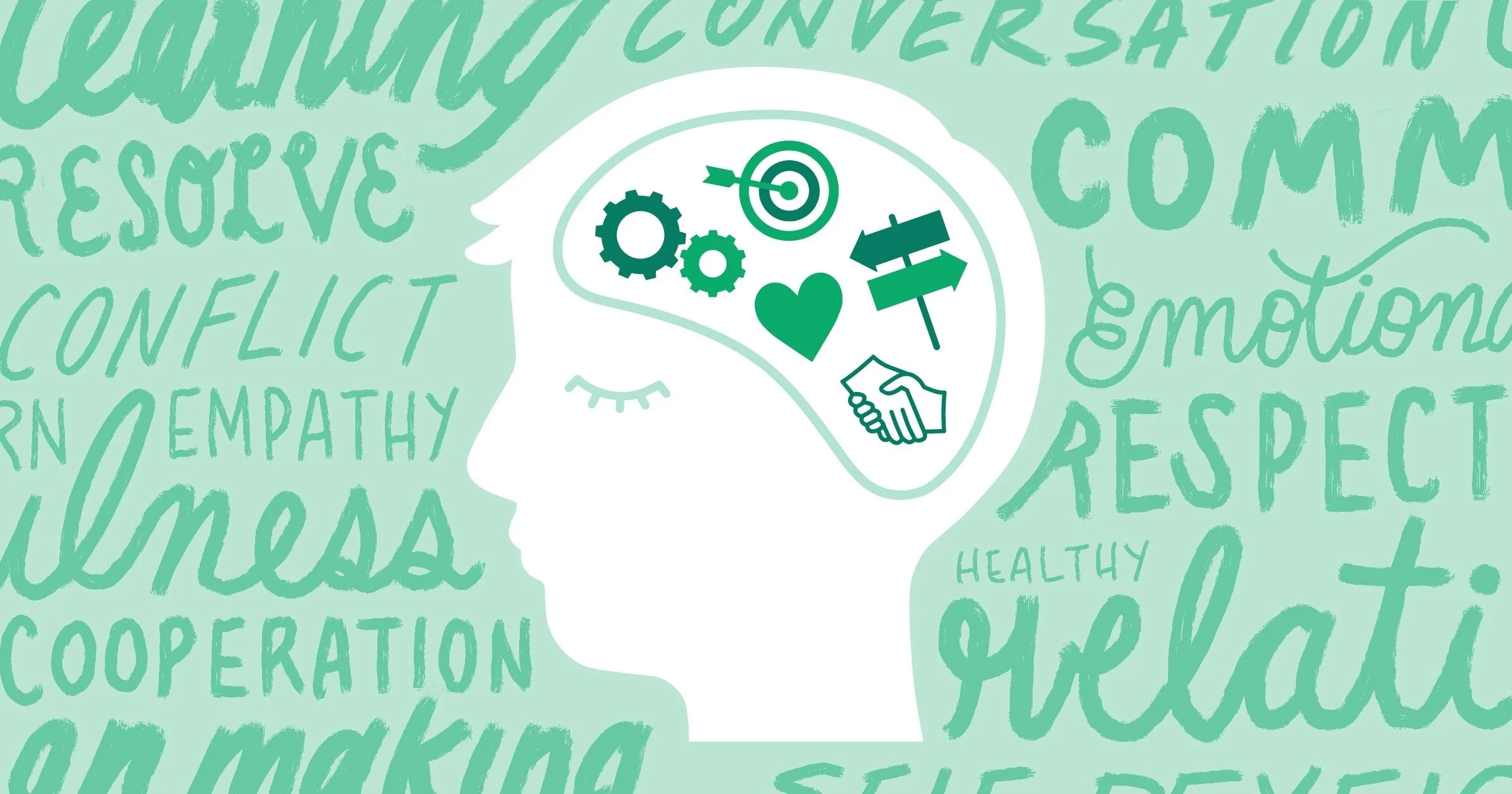
Simply defined, SEL is the capacity to recognize and manage emotions, solve problems effectively, and establish positive relationships with others. SEL targets a combination of behaviors, cognitions, and emotions, equipping students to apply the learned skills both in and outside of the classroom.


Toddlerhood
For those ages 1-3, you’ll learn how to use play and books as learning strategies, as well as start modeling regulation. We’ll provide you with alternative SEL strategies as well.
Early Childhood
For those ages 4-6, you’ll learn how to equip students to identify emotions and develop self-regulation. We’ll provide you with alternative SEL teaching options as well.

Middle Childhood
For those ages 7-10, you’ll learn how to foster positive peer relationships and build a deeper personal emotional awareness. We’ll provide you with alternative SEL strategies as well.

Effects of Prenatal Development & Early Childhood Experiences
-
During pregnancy, a mother's health, nutrition, stress levels, and access to prenatal care can influence a child’s brain development and overall being.
For example, exposure to alcohol, drugs, or high stress levels during pregnancy can increase the risk of developmental difficulties that may affect emotional regulation, behavior, and social interactions later in life.
-
Early childhood experiences have a lasting impact on adolescent development. Children who grow up in a loving, supportive, or stable environment are more likely to develop healthy relationships, self-confidence, communication skills, and the ability to manage their emotions. On the other hand, experiences such as neglect, abuse, family conflict, or inconsistent caregiving can contribute to difficulty managing emotional regulation or forming relationships later in life.
Social & Emotional Milestones
For toddlers, individualism (autonomy) starts to emerge.
A child at this age will imitate their environment, can help with simple household tasks, and pretend-play.
Children will also start to express concern and empathy or try to comfort loved ones who appear upset by modeling behaviors that they observed from others.
(Malik & Marwaha, 2022)
Those in the early childhood stage can follow simple rules and instructions.
A child at this age will spend more time interacting with their peers and develop a more complex imagination.
Children will also show and use emotional verbalization, and can use basic self-regulation strategies like deep breaths.
(Malik & Marwaha, 2022)
Those in the middle childhood stage can fully understand rules and instructions.
A child at this age will build deeper friendships and learn how to navigate peer conflict or pressure.
Children will also explore uncertain emotions or peer pressure, learning more complex coping skills, such as shifting focus to give the mind a break.
(Malik & Marwaha, 2022)
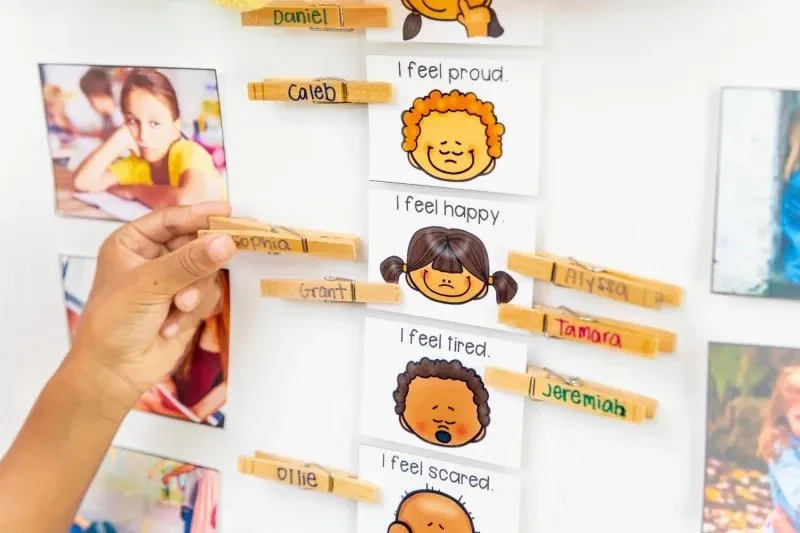
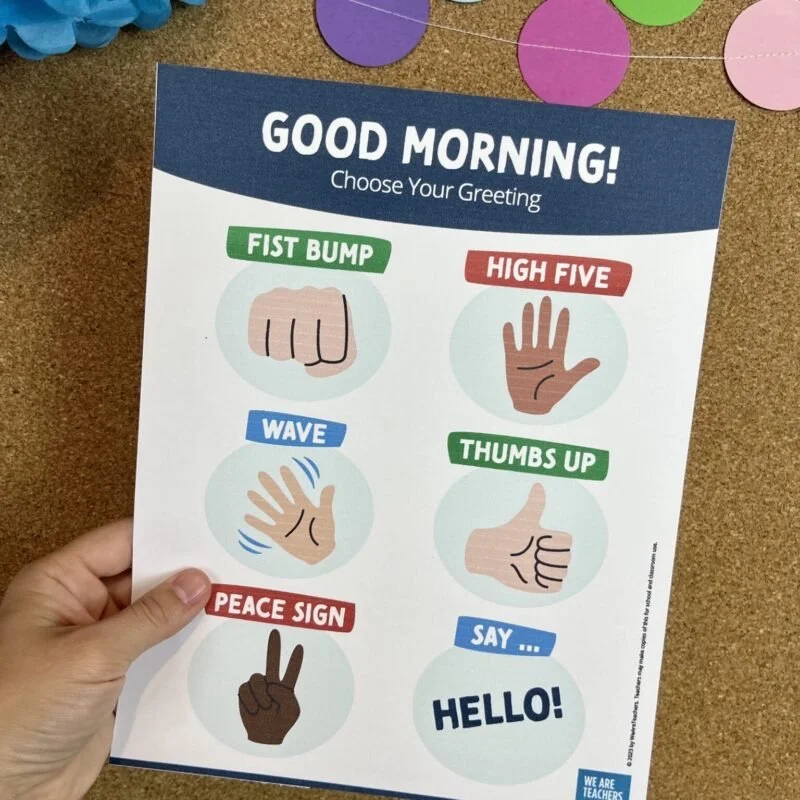

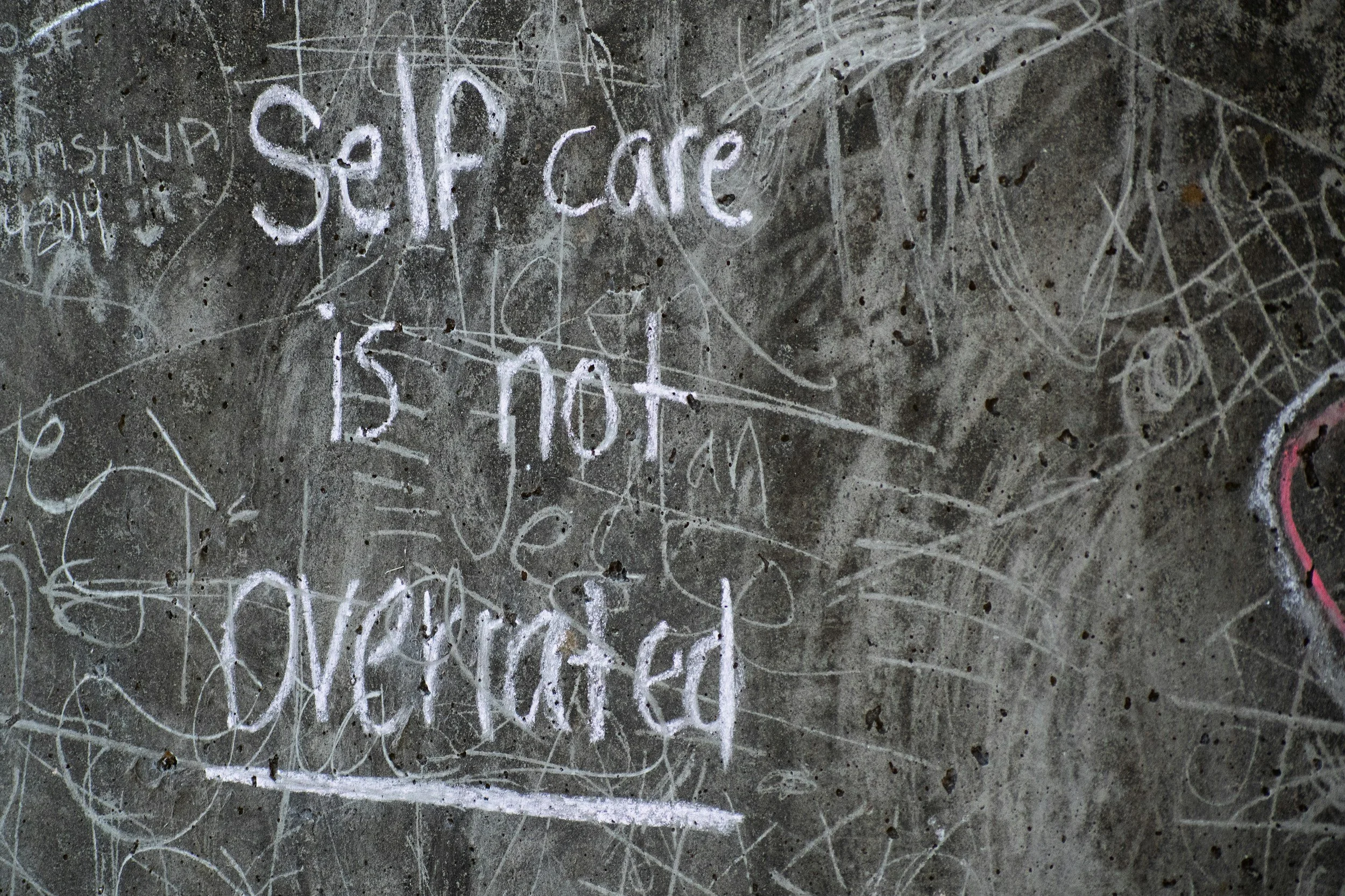
Self-regulation refers to the processes by which students intentionally apply, monitor, and evaluate various cognitive processes during learning.
Self-Regulation Strategies @ Home
Toddlerhood-Early Childhood:
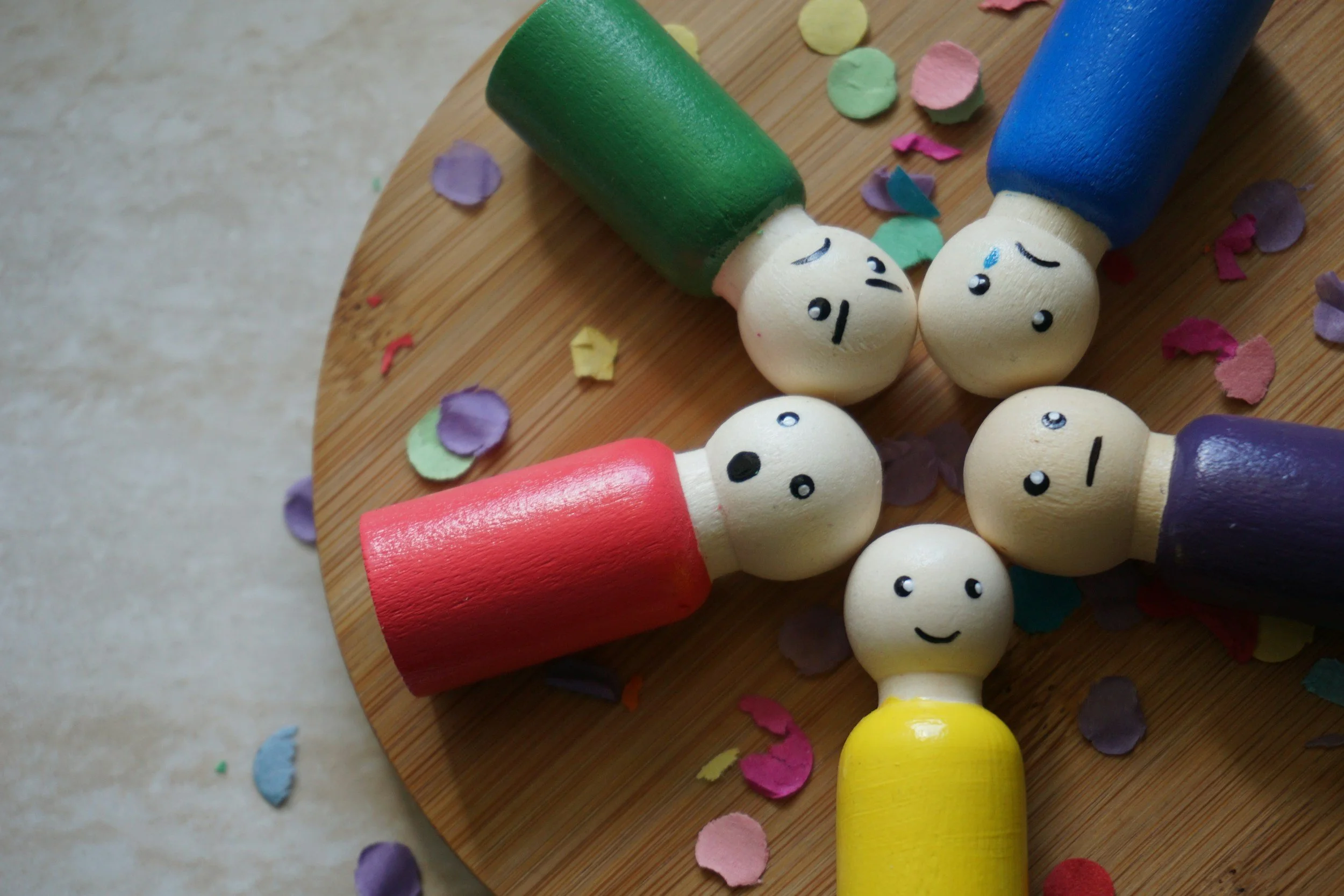
-name basic feelings such as happy, sad, angry, or frustrated to help children identify basic emotions
-read picture books about emotions and model calm breathing techniques for when they get upset
-practice taking deep breaths, sharing toys, taking turns, and using positive reinforcement when children demonstrate patience or kindness

Middle Childhood:
-encourage conversations about friendships, peer pressure, stress, and difficult emotions
-teach time management and healthy coping strategies
-support them to independently solve problems to develop responsibility
* parents can remind middle school children that their feelings matter, they're not alone, and asking for help is a sign of strength. Building trust and maintaining open communication can help adolescence feel supported while they may experience suicidal or self-harm ideation
* parents should also pay attention to significant changes in behavior, such as withdrawing from friends and family, losing interest in activities, expressing hopelessness, or talking about wanting to die or hurt themselves. Any mention of suicide or self harm should be taken seriously.